
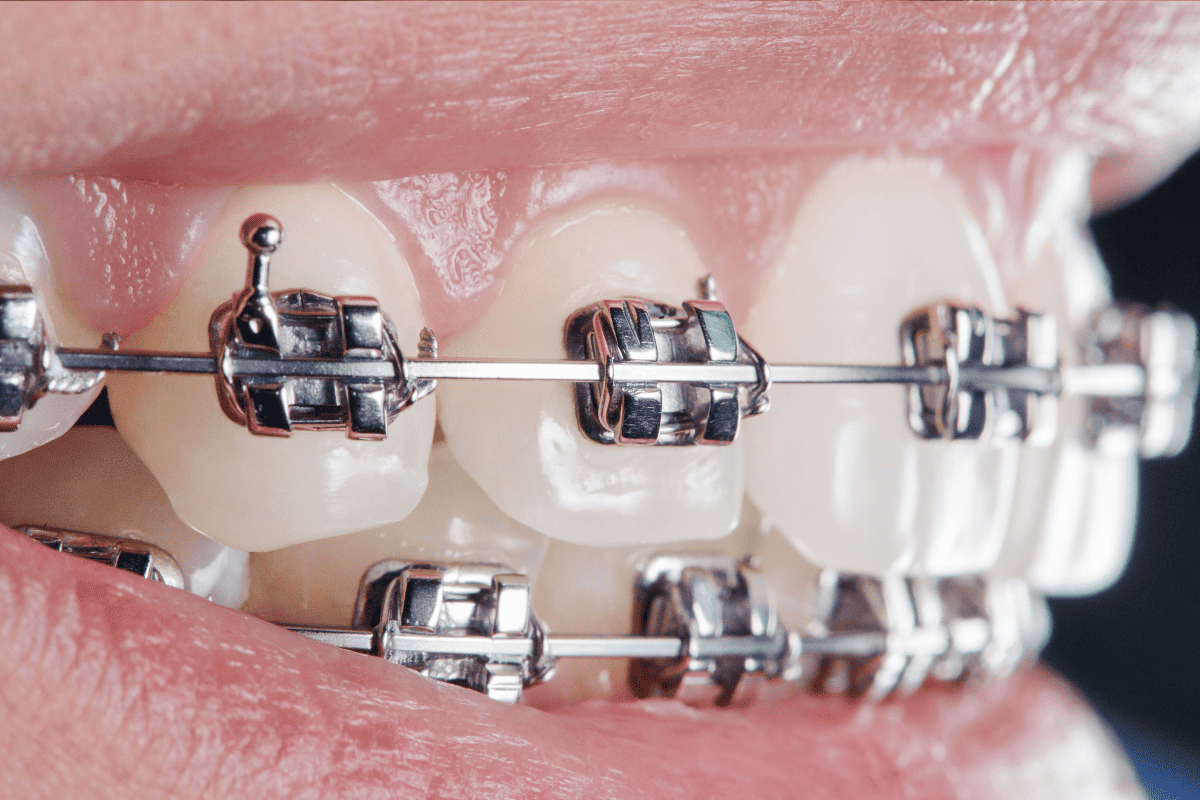
Have you considered the full spectrum of options available for Phase 2 braces? Understanding the right treatment for your child’s specific needs is paramount to a successful alignment process.
Phase 2 braces, used after Phase 1 braces, complete the alignment process for a perfect bite. They’re recommended for children with some baby teeth or partially erupted permanent teeth to align these permanently.
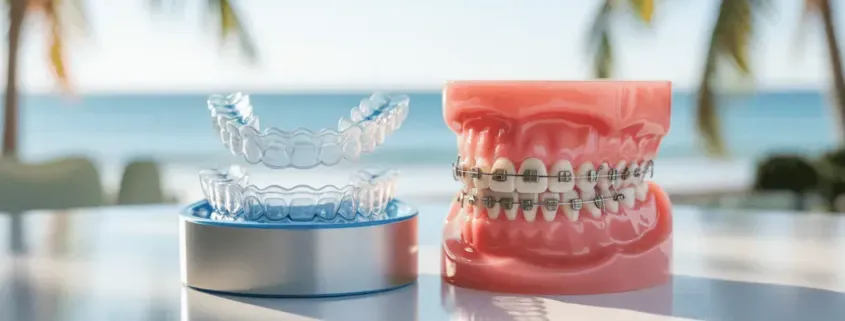
They come in different forms, including traditional metal, clear braces, or Invisalign, depending on patient needs. Typically worn for 2-3 years, they play a crucial role in orthodontic treatment by ensuring proper alignment and correct bite, thus enhancing appearance and function of the teeth. Find out more by reading on.
What Is The Typical Duration of Phase 2 Braces Treatment?
Phase 2 braces treatment is a crucial part of orthodontic treatment that follows the completion of Phase 1 treatment. Phase 1 treatment aims to address any skeletal or dental issues in children between the ages of 7 and 11. Phase 2 treatment, on the other hand, focuses on correcting any remaining dental issues in children who have all their permanent teeth.
The duration of Phase 2 braces treatment varies depending on the severity of the dental issues being addressed. On average, Phase 2 treatment can last anywhere from 12 to 24 months. However, some cases may require longer treatment periods, while others may require shorter periods.
During Phase 2 treatment, the orthodontist will use braces to move the teeth into their proper positions. The braces are adjusted periodically to ensure that the teeth are moving as planned. The orthodontist may also use other orthodontic appliances, such as rubber bands or headgear, to help correct any bite issues.
It is important to note that the duration of Phase 2 braces treatment can be affected by factors such as patient compliance, the complexity of the case, and the patient’s age. Patients who follow their orthodontist’s instructions and take good care of their braces are more likely to achieve the desired results within the expected timeframe.
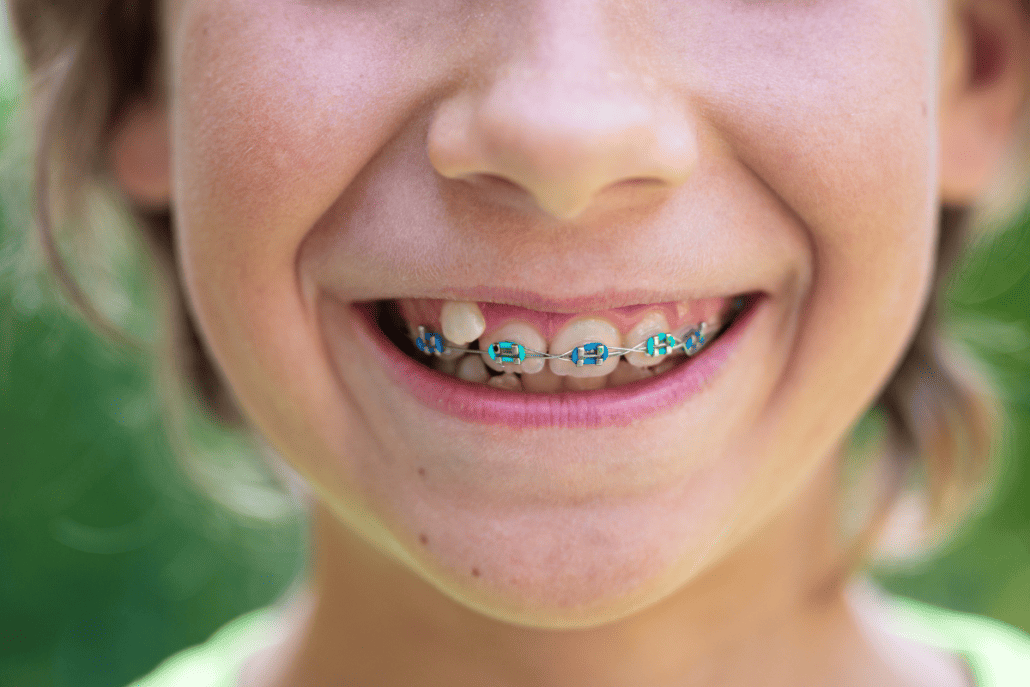
What Are Some Common Aftercare Instructions For Patients With Phase 2 Braces?
Phase 2 braces are typically used to correct more complex orthodontic issues that cannot be fully addressed during Phase 1 treatment. After the braces are placed, patients will need to follow specific aftercare instructions to ensure the best possible outcome.
One common aftercare instruction for patients with Phase 2 braces is to maintain good oral hygiene. This means brushing and flossing regularly to keep the teeth and braces clean. Patients may need to use special tools, such as interdental brushes or water flossers, to clean hard-to-reach areas.
Patients with Phase 2 braces may also need to wear rubber bands or other orthodontic appliances to help correct their bite. It is important to follow the orthodontist’s instructions for wearing these appliances, as failure to do so can prolong treatment time or even cause damage to the braces.
Regular check-ups with the orthodontist are also essential during Phase 2 treatment. The orthodontist will need to adjust the braces periodically to ensure that they are working properly and to monitor progress. Patients should attend all scheduled appointments and follow any additional instructions provided by the orthodontist.
Phase 1 Braces Explained
FAQ
What are Phase 2 braces?
Phase 2 braces are the second stage of orthodontic treatment used after Phase 1. They are meant to complete tooth alignment and help achieve a proper, stable bite as the child transitions into having permanent teeth.
How do Phase 2 braces differ from Phase 1 braces?
Phase 1 treatment is described as addressing skeletal or dental issues in children ages 7 to 11. Phase 2 focuses on correcting remaining dental alignment issues once a child has all, or nearly all, permanent teeth.
What types of Phase 2 braces are available?
The text says Phase 2 treatment can use traditional metal braces, clear braces, or Invisalign, depending on the patient’s needs.
How long does Phase 2 braces treatment usually take?
The text gives two time ranges: it says Phase 2 braces are typically worn for 2 to 3 years, and it also states Phase 2 treatment often lasts about 12 to 24 months on average. The exact timing depends on the severity of the issues, the complexity of the case, the child’s age, and how well instructions are followed.
What aftercare is important during Phase 2 braces?
Maintain strong oral hygiene by brushing and flossing regularly, and use helpful tools like interdental brushes or a water flosser if recommended. Wear rubber bands or other appliances exactly as instructed, and attend regular orthodontic checkups so adjustments can be made and progress can be monitored.
In Conclusion
In conclusion, Phase 2 braces play a pivotal role in orthodontic treatment. Their application is not merely about improving one’s aesthetic appeal but is a critical component for achieving optimal oral health and functionality.
Remember, regular check-ups are integral to the success of this process, and the orthodontist’s guidance is crucial in ensuring that the treatment achieves its desired outcome.
By adhering to the scheduled appointments and following the orthodontist’s instructions diligently, you can expect positive results. The journey may seem long and sometimes difficult, but the reward of a beautiful and healthy smile is beyond worth it.
So, stay committed to the process, keep a positive mindset, and look forward to the transformation that Phase 2 braces bring.
Curious about Phase 2 Braces? Consult with Dr. Panucci at Beach Braces to get expert insights and personalized recommendations. Discover your path to a perfect smile; book your appointment today!
What Are Phase 2 Braces and How Do They Differ From Phase 1 Braces?

Dr Patti Panucci attended the University of Louisville School of Dentistry for four years, where she graduated with a DMD degree (May 2000) among the Top 10 in her class. Following that, she headed west to Los Angeles to complete her three-year residency at one of the top-ranked orthodontic programs in the country – the University of Southern California.
Along with her certificate in orthodontics, Dr. Panucci earned a master’s degree in craniofacial biology. During those three years, she fell in love with Southern California beach life and decided that this was where her future lay.