
Understanding Single-Arch Invisalign
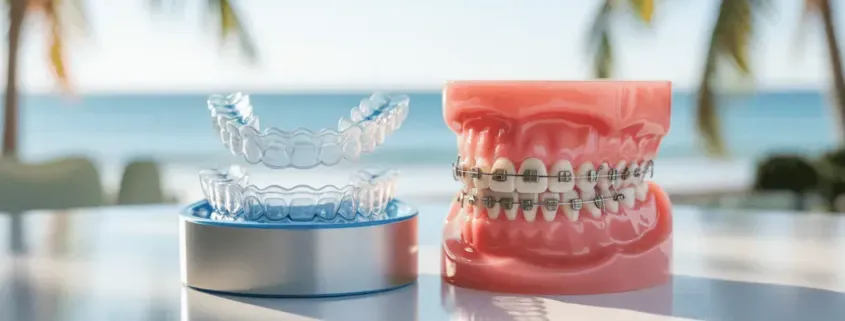
If you’re exploring Invisalign for upper or lower teeth only, you’re looking at what’s known as single-arch treatment. This approach involves clear aligners fitted to either your upper or lower teeth, not both. It’s ideal when you need to correct mild crowding or spacing on one arch without undergoing full-mouth alignment. You’ll benefit from fewer aligners, a potentially shorter timeline, and a more budget-friendly option compared to treating both arches simultaneously.
What Is Single-Arch Treatment
Single-arch Invisalign means you wear aligners only on the arch with alignment issues, upper or lower. Each set of aligners applies gentle pressure to shift teeth into their ideal positions. Because you’re focusing on one arch, your orthodontist tailors the plan to your specific concerns, whether that’s closing small gaps or straightening a couple of crooked teeth.
How It Differs From Full Arch
Full-arch Invisalign treats both upper and lower teeth in tandem to optimize bite and occlusion. Single-arch treatment skips connectors like rubber bands, so it’s best reserved for minimal or cosmetic shifts. Without simultaneous adjustment of the opposing arch, you must ensure your bite remains stable, or you risk issues like uneven wear, jaw discomfort, or TMJ pain.

Assessing If You Qualify
Not every case suits Invisalign for upper or lower teeth only. Here’s how to know if you qualify.
Mild Cosmetic Concerns
Single-arch aligners work best when your issue is limited to minor crowding, spacing, or slight rotation of front teeth. If your lower teeth are already straight and your bite alignment is even, you may qualify for upper-only treatment, and vice versa.
Bite Considerations
Moving one arch without the other can alter your natural occlusion. Your orthodontist will evaluate your bite relationship to prevent complications like chewing difficulties or uneven tooth wear. Thorough bite analysis is critical before you begin.
Orthodontic Consultation
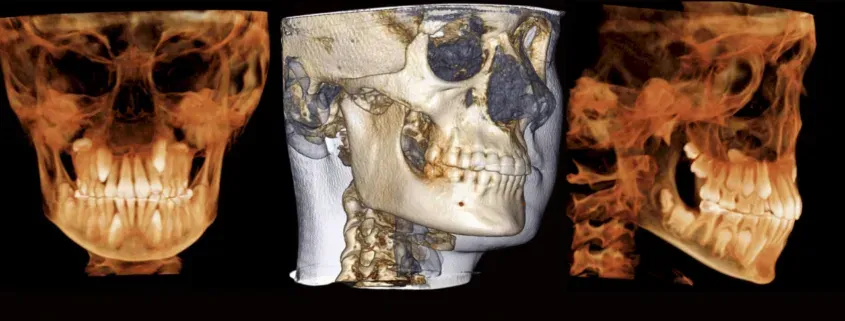
Only an expert orthodontic consultation can confirm if single-arch treatment suits you. Expect digital scans, X-rays, and a detailed treatment plan outlining duration, expected movements, and retention strategy.
Treatment Process Overview
Knowing what to expect helps you stay on track.
Initial Evaluation
Your provider captures digital impressions and X-rays to craft your custom aligner series. This step pinpoints exactly which teeth need shifting and how each aligner tray will move them.
Wearing Aligners
You’ll wear each aligner set for about two weeks, 20 to 22 hours per day. Remove them only to eat, drink anything but water, or clean your teeth. Adhering to wear time is crucial for timely progress.
Monitoring Progress
Regular check-ins every six to eight weeks let your orthodontist verify tooth movements and adjust attachments if needed. They’ll also watch your bite to ensure it stays balanced as you straighten one arch.
Cost And Duration Factors
Single-arch treatment costs vary by case complexity, location, and provider expertise.
Influencing Cost Variables
- Severity of alignment issues
- Need for preliminary work (extractions, repairs)
- Retainer replacements after treatment
Regional Pricing Differences
Areas with higher living expenses, like South Bay California, tend to carry higher treatment fees. You’ll often pay more per aligner set and for office visits in these regions.
Long-Term Costs
Beyond the aligners, plan for periodic retainer replacement and any follow-up visits. While single-arch treatment can be more affordable upfront, neglecting retention can lead to relapse and extra expenses down the road.
Balancing Pros And Cons
Evaluate benefits and drawbacks before committing.
Key Benefits
- Shorter treatment time (often 6-12 months)
- Fewer aligners, streamlined process
- Lower upfront cost than full-arch
Potential Drawbacks
- Risk of bite disruption if not monitored closely
- Not suitable for complex cases like crossbite or severe underbite
- May require full-arch follow-up for optimal occlusion
Mitigating Risks
Choose an experienced provider, stick to your wear schedule, and attend all follow-up visits. Clear communication about your goals and concerns ensures your orthodontist can adapt your plan as needed.
Exploring Related Options
If single-arch Invisalign isn’t the right fit, consider these alternatives.
Invisalign First For Kids
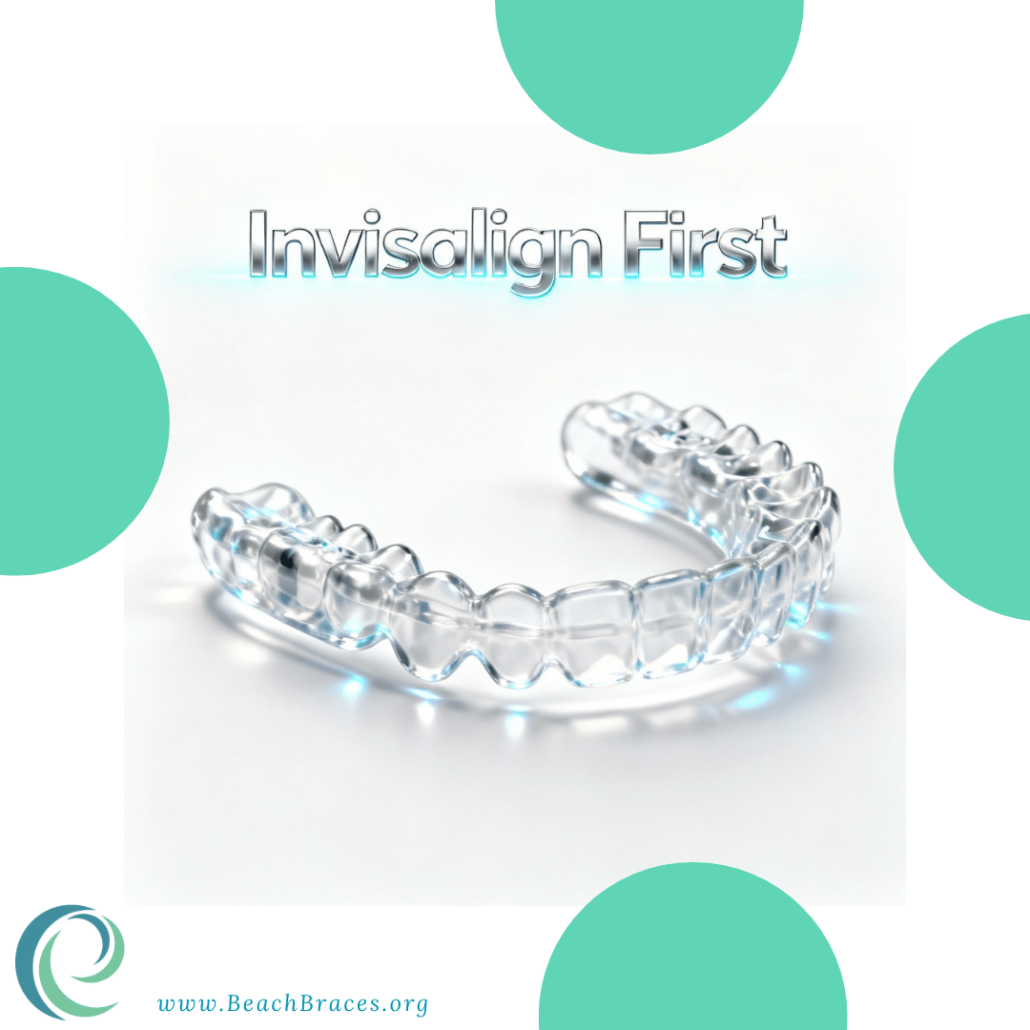
For younger smiles with mixed dentition, Invisalign first gently guides primary and permanent teeth into place. Early intervention can simplify later treatment and support healthy jaw development.
Invisalign Lite For Quick Results
When you or your teen need minor front-tooth corrections, invisalign lite offers a quicker path, often three to six months, to a straighter smile. It focuses on the front six to eight teeth, making it ideal for cosmetic tweaks.
Next Steps And Tips
Ready to move forward? Follow these tips to prepare.
Preparing For Consultation
- Gather any past dental records or X-rays
- Note your primary concerns and aesthetic goals
- Ask about provider experience with single-arch cases
Questions To Ask Your Orthodontist
- What is my expected treatment timeline?
- How will you monitor my bite during treatment?
- What are the total estimated costs, including retainers?
- Could I need full-arch treatment later on?
Scheduling an evaluation is your first step toward confident, targeted results. With the right plan, you’ll enjoy a healthier bite and the smile you’ve been dreaming of.
To get started, schedule your complementary consultation today.
Get Confident Results with Invisalign for Upper or Lower Teeth Only