

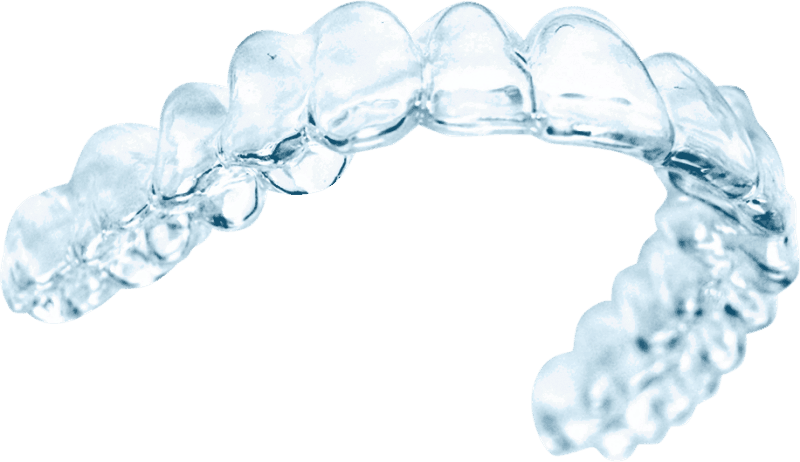

Does Invisalign Give You a Lisp? (How to Overcome)

We know, your smile is priceless, and you’ve decided to invest in it with the futuristic solution of Invisalign. It’s normal that you would have some doubts and one of the burning questions might be, “Will wearing Invisalign give me a lisp?” We applaud your curiosity and step forward to shed light on this common concern. In this article, we’ll break down this popular query, presenting facts to dispel myths and to empower you to make an informed decision that works best for you.

  • When can I expect changes in my speech?
  • Is this change permanent?
  • How can I mitigate these changes?

Let’s embark on this transparent exploration of Invisalign and its potential speech effects together.

Why Does Invisalign Cause a Lisp?

The slight lisp that some people experience after wearing Invisalign is mainly due to your tongue getting used to the presence of the aligner. When we speak, our tongue moves and hits the back of our teeth in specific positions to produce certain sounds. Adding just a fraction of a millimeter to your teeth’s surface can alter these positions, thereby affecting sounds produced during speech.

Does Everyone Experience a Lisp With Invisalign?

The idea of experiencing a lisp because of Invisalign might stir up some concerns. However, it’s pertinent to note that not every individual who gets Invisalign braces experiences a lisp. The adjustment period and the way the aligners fit in your mouth largely determine if you’ll have a lisp or not.

Everyone’s mouth structure is unique, and so is the way they adapt to wearing aligners. Due to this uniqueness, some may acquire a slight lisp initially, while others may not notice any change in their speech.

The nature and degree of the lisp also vary greatly from one person to the next. For a few, the lisp might be extremely subtle, practically unnoticeable. For others, it may take the form of a more pronounced speech alteration, particularly during the initial adjustment phase.

How to Overcome the Invisalign Lisp?

  • Practice: By speaking more with the aligners on, your tongue can adapt quickly to the new dental setup.
  • Pronunciation Exercises: Doing exercises that involve the sounds you have trouble with can help your tongue adjust faster.
  • Consistent Wearing: The more consistently you wear your aligners, the quicker your speech will normalize.In conclusion, while it’s possible Invisalign may temporarily affect your speech, it is not a permanent issue and can be managed effectively. So, if you’re considering Invisalign treatment, don’t let fear of a temporary lisp stall your pursuit for straighter teeth and a healthier, more confident smile.

Will My Speech Be Affected By Invisalign?

Often lisping can be most apparent with the sound “s” or “sh” or”Th” or “Ch.” If you use rubber bands for any reason, you might find your mouth snapping back. Again, this is as temporary as the lisp.

How Long Does It Take For Lisp To Go Away With Invisalign?

You might even notice you are speaking with a lisp when wearing the aligners the first few days. It can take a little longer for you before you are used to it. Often people have sore tongues that subconsciously shift over to the aligners.

Can Aligners Fix a Lisp?

If you have a lisp already, Invisalign has been known to correct the jawline and eliminate the speech issue. Structural issues in the jaw are a common cause of lisping. correcting this corrects the tongue placement within the mouth.

At Home Lisp Reduction Exercises

You can rid any lisp with a healthy reduction exercise routine. There are a few ways to train your mouth:

  • Up and down and side-by-side movement training will strengthen your tongue
  • Practice sounds like “Z”, “S”, “Th”, or “Ch” with your tongue pressed downward
  • Enunciate phrases. Repeat sentences or quotes that contain vowels and syllables
  • Drink with a straw. Your tongue is naturally positioned down allowing no intrusion on the tongue or aligner surfaces.

Are There Any Scientific Studies Linking Invisalign Use To Speech Impediments?

Debunking the myth, recent studies reveal that Invisalign may cause a temporary lisp in some patients, but it’s neither persistent nor universal. Most patients adapt to the aligners within a week, finding any initial lisping quickly fading.

According to research by the Journal of Clinical Orthodontics , about 93% of users initially experienced some degree of lisping during their first week. However, speech normalization typically occurred swiftly [1] .

Furthermore, a study from the American Journal of Orthodontics and Dentofacial Orthopedics advises sipping water and performing jaw exercises to aid in faster adaptation [2] .

As research by The Angle Orthodontist highlights, the perception of a lisp may be more significant to the patient than listeners [3] .Chatting with friends, family or even pets can expedite adapting to the new oral environment.

Conclusion

In summary, while Invisalign may initially cause lisping, it’s important to remember that every case is unique. Most users find the slight speech alteration temporary, frequently resolving as your tongue and mouth adapt to the aligners. Helpful strategies often include practicing speech exercises, using straws for sipping, and even giving your jaw a good massage. After all, patient education is vital to outmaneuvering potential hitches on your journey to a perfect smile. So don’t let the fear of a lisp deter you from acquiring your dream smile.

Remember better safe than sorry, it’s recommended to schedule a risk-free consultation to assess your individual needs. Talk to your family, friends, and even pets, or talk to yourself! It’s part of the adjustment process. Book your appointment today and take the first step towards a radiant smile that boosts your confidence.

Beach Braces is amongst the top level of Invisalign providers and the doctor and her team know everything about lisping, speech impediments, speech difficulties when undergoing Invisalign treatment.

They have the experience and dedication to any dental appliance including traditional braces to give you and your child the best possible service. If you have any further questions you can contact us TODAY.

Share this article

Recent Posts

Two people standing outside a corner storefront with large glass windows and a blue sign
May 18, 2026
Wondering what happens at an orthodontic consultation in Manhattan Beach? Learn what to expect, what is checked, and which questions to ask.
Clear aligner and metal braces dental models on a table with a blurred beach background
May 11, 2026
Choosing between Invisalign and braces in Manhattan Beach? Learn how smile goals, bite issues, lifestyle, and treatment needs affect the best choice.
Three skulls shown side by side, one in a gray 3D scan between two brown skull renders.
April 27, 2026
Learn why 3D imaging before Invisalign or braces helps your orthodontist assess teeth, jaws, bite and airway before planning treatment.
April 20, 2026
If you live in Manhattan Beach and your child needs orthodontic treatment, Invisalign Teen is probably already on your radar. It is easy to see why. It offers

April 13, 2026
Looking for the best orthodontist for adults in Manhattan Beach? Learn what to look for, which treatment options matter, and how to choose with confidence.

April 7, 2026
Looking for ceramic braces in Manhattan Beach? Learn the benefits, cost, care needs, and whether clear braces are the right choice for teens or adults.
March 30, 2026
Wondering about adult Invisalign cost in Manhattan Beach? Learn what affects pricing, monthly payment options, insurance help, and what to expect at Beach Braces.

March 16, 2026
Looking for braces payment plans in Manhattan Beach? Learn about financing, insurance, monthly payment options, and how Beach Braces makes treatment affordable.

March 9, 2026
Looking for Invisalign payment plans in Manhattan Beach? Learn about financing, insurance, monthly options, and what to expect before starting treatment.

January 19, 2026
Get confident results with Invisalign for upper or lower teeth only and see your South Bay Area child beam
Show More