
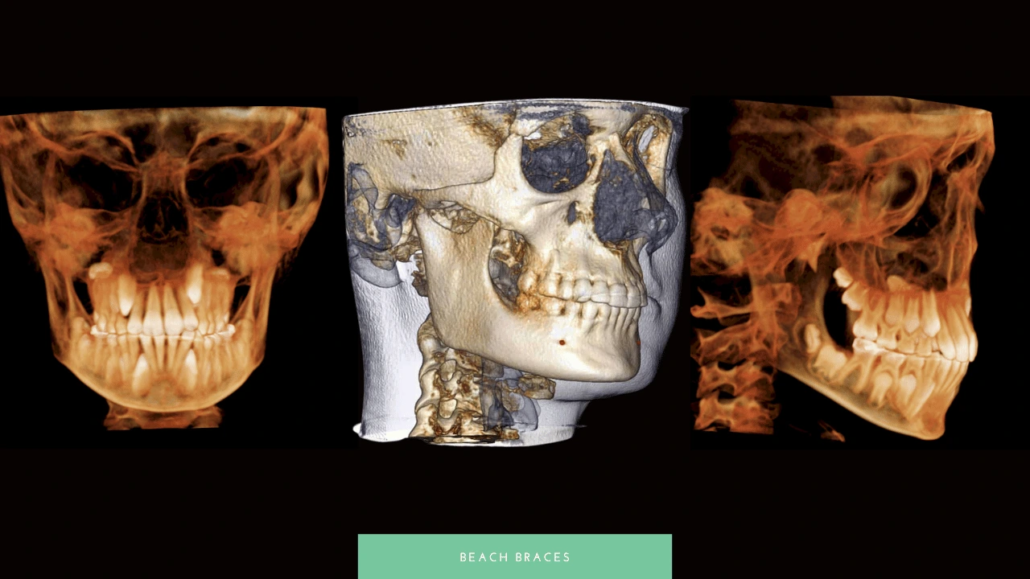
Why 3D Imaging Matters Before Invisalign or Braces
3D imaging before Invisalign or braces can help your orthodontist understand far more than whether your teeth look straight from the outside. It gives a clearer view of the teeth, roots, jaws, bite, and airway, which can make treatment planning more accurate and more personalised.
For patients and parents in Manhattan Beach, this matters because orthodontic treatment is not a one-size-fits-all decision. A smile may look like a simple Invisalign case at first glance, but the full picture can show details that affect whether clear aligners, braces, expansion, monitoring, or another approach is the better fit.
At Beach Braces, advanced 3D imaging helps support that decision-making process. It gives Dr. Panucci a more complete view before recommending a treatment plan, so patients can understand not just what treatment is possible, but why it is being recommended.
3D imaging matters before Invisalign or braces because it gives the orthodontist a clearer view of the teeth, roots, jaws, bite, and airway. This can help with diagnosis, treatment planning, and deciding whether clear aligners, braces, expansion, or another option is most suitable.
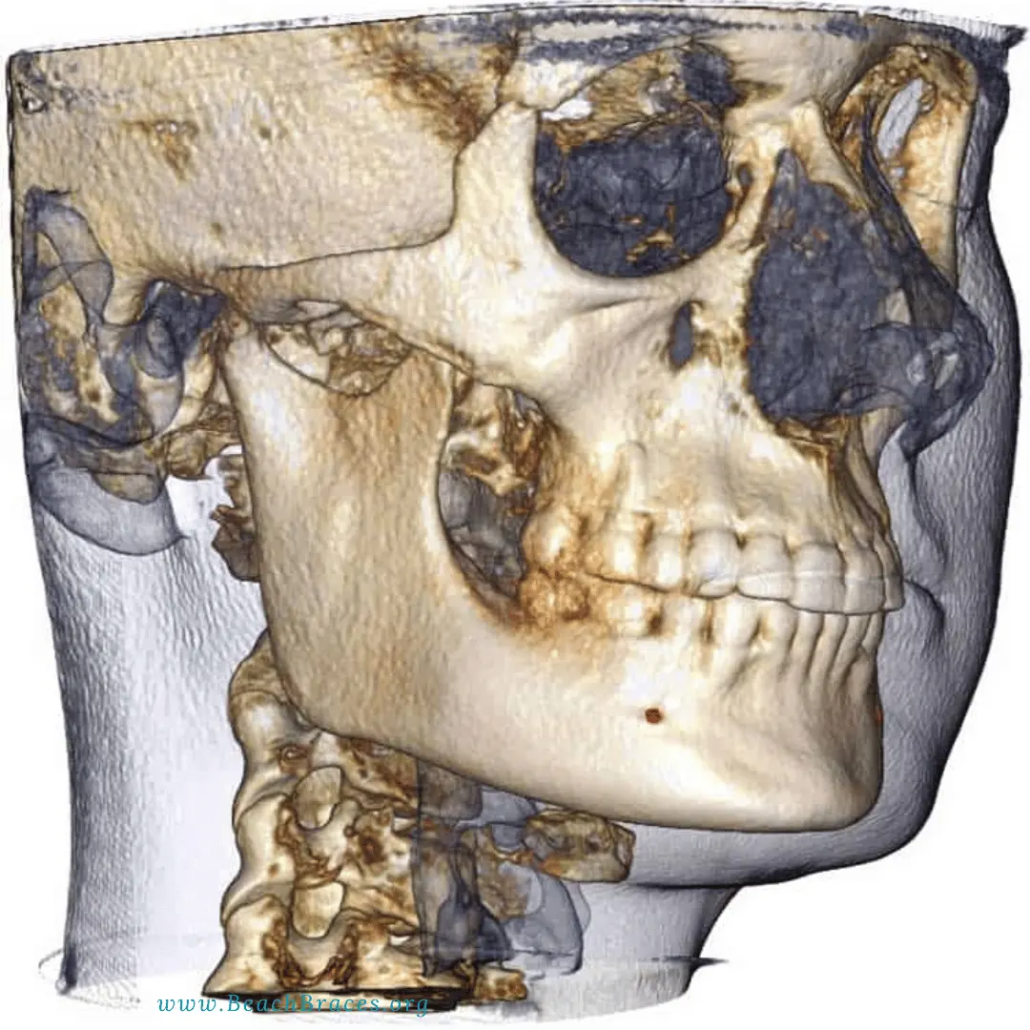
The goal of 3D imaging is not to make treatment more complicated. It is to help us understand the patient’s smile more completely before recommending a plan.
What Is 3D Imaging in Orthodontics?
3D imaging is a form of advanced orthodontic imaging that creates a three-dimensional view of the mouth, teeth, jaws, and surrounding structures.
A regular visual exam can show what the teeth look like from the outside. Photos and digital scans can show the shape and position of the visible teeth. Traditional X-rays can show useful two-dimensional information. 3D imaging adds another layer by helping the orthodontist see depth, root position, jaw relationships, and other details that may not be clear from a surface view alone.
This does not mean every patient has a complicated case. It simply means the orthodontist has better information before making a recommendation.
That can be especially helpful when deciding between Invisalign, braces, early orthodontic treatment, or a wait-and-watch approach for a child.
Why 3D Imaging Can Change the Treatment Conversation
Many patients arrive at an orthodontic consultation with a treatment already in mind.
Some adults want Invisalign because it feels discreet and flexible. Some parents want to know whether braces are needed for their child. Some teens want clear aligners because they are worried about how braces may look at school or in photos.
Those are all valid concerns. But the best treatment decision starts with diagnosis, not preference alone.
3D imaging can help answer questions such as:
- Are the teeth only mildly crowded, or is there a bite issue too?
- Are the roots positioned safely for the movement being planned?
- Is the upper or lower jaw affecting the bite?
- Are there signs of impacted, delayed, or unusually positioned teeth?
- Is Invisalign likely to work well, or would braces provide better control?
- Is treatment needed now, or would monitoring be more appropriate?
This is where the consultation becomes more valuable. Instead of simply asking, “Do you want Invisalign or braces?”, the better question becomes, “What does your smile actually need?”
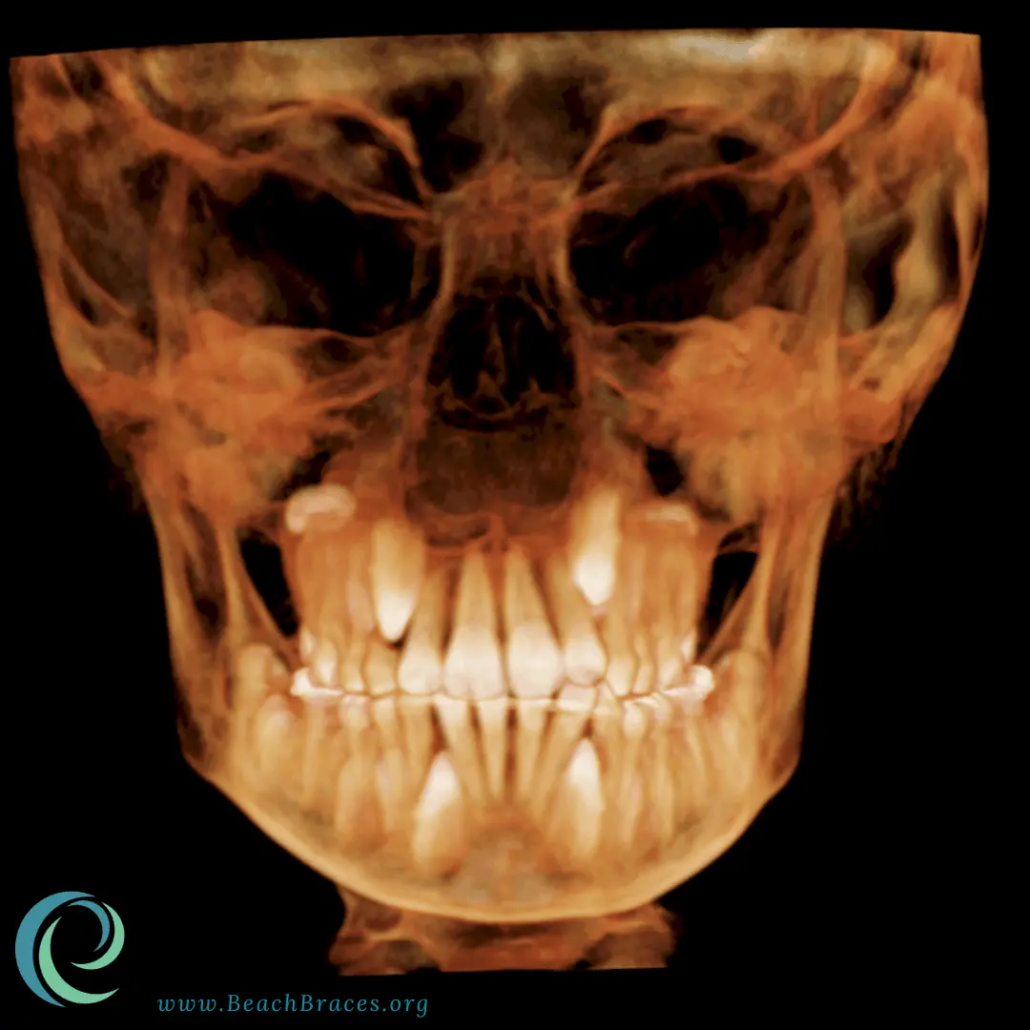
Some patients arrive expecting Invisalign, while others assume they need braces. The consultation helps us match the treatment to the diagnosis.
How 3D Imaging Helps Before Invisalign
Invisalign can be an excellent option for many adults and teens, but clear aligners still need careful planning.
Aligners work by applying controlled force to move teeth over time. For that plan to be predictable, the orthodontist needs to understand the position of the teeth, the bite, and the movements required.
3D imaging can help assess whether Invisalign is suitable for the case. It may also help the orthodontist plan around crowding, spacing, bite correction, root position, attachments, and the overall sequence of movement.
This is important because not every case that looks simple is simple. A patient may have mild visible crowding but a deeper bite issue. Another patient may assume braces are the only option, but the scan and consultation may show that Invisalign is still suitable.
The value is not in pushing one treatment over another. The value is in matching the treatment to the diagnosis.
How 3D Imaging Helps Before Braces
Braces are still a strong and reliable option for many orthodontic cases, especially when more control is needed.
With braces, the orthodontist can carefully guide tooth movement using brackets and wires. This can be particularly useful for certain bite issues, rotations, vertical movements, or more complex alignment needs.
3D imaging can help before braces by showing the relationship between the teeth, roots, jaws, and bite. This helps the orthodontist understand where movement is needed and what needs to be monitored during treatment.
For some patients, braces may be the most efficient or predictable route. For others, Invisalign may be suitable. Some may benefit from a phased or combined approach.
The point is simple: better information at the start can lead to a more thoughtful treatment recommendation.
Teeth, Jaws, Bite and Airway: What the Orthodontist Is Looking For
Orthodontics is not only about straight front teeth. A healthy and stable result also depends on how the teeth fit together, how the jaws relate to each other, and whether there are other factors that need attention.
During a consultation, the orthodontist may assess:
- Tooth alignment
- Root position
- Crowding or spacing
- Bite relationship
- Upper and lower jaw position
- Impacted or delayed teeth
- Narrow arches
- Airway considerations
- Previous orthodontic relapse
- Signs that growth or development should be monitored
For parents, this can be especially helpful. A child’s teeth may look crowded, but the question is often whether the issue is dental, skeletal, developmental, or something that should simply be watched over time.
For adults, it can help separate a straightforward cosmetic touch-up from a more involved orthodontic case.
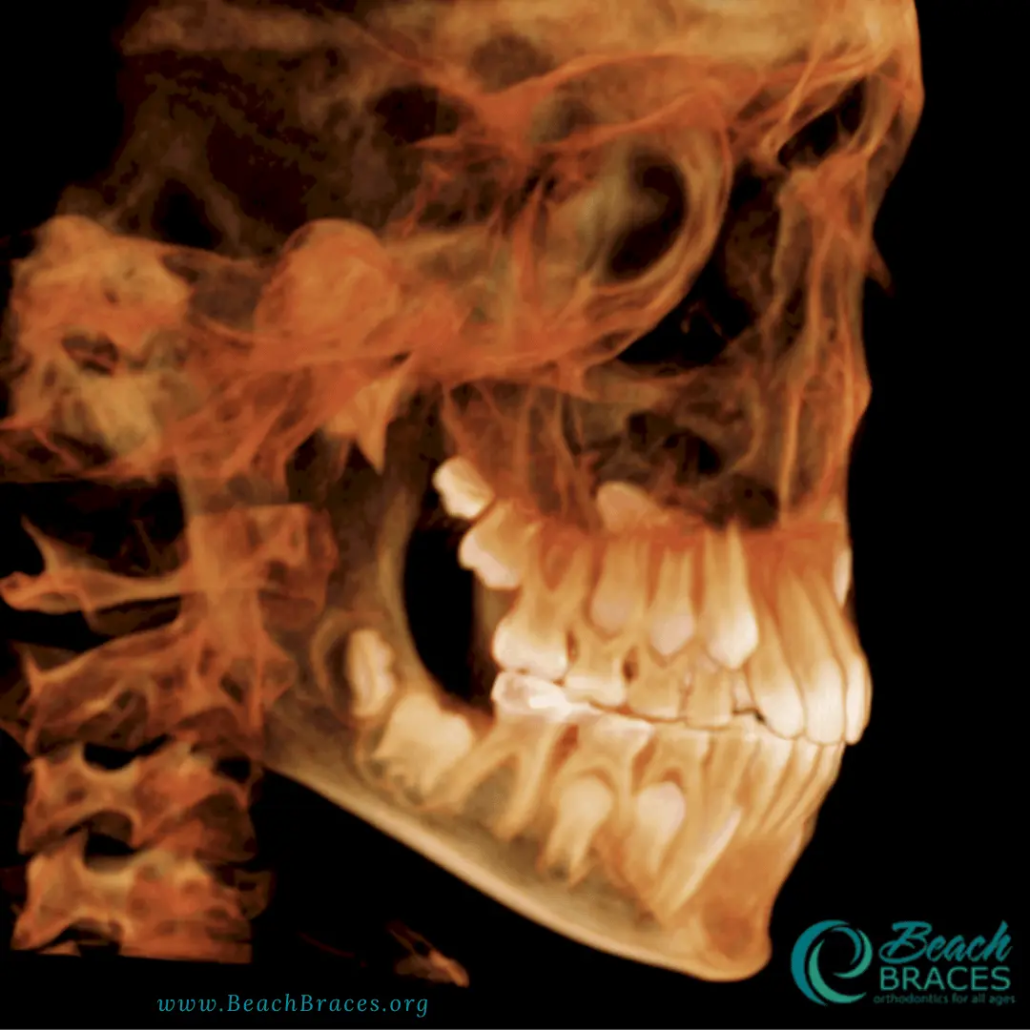
For parents, imaging can make the conversation clearer because it helps explain what we are watching, what we are treating, and what can wait.
Why This Matters for Children and Teens
Parents often notice small changes before anyone else does.
Maybe a child’s front teeth are coming in crooked. Maybe the bite looks uneven. Maybe baby teeth seem to be falling out too early or too late. Maybe a parent has noticed mouth breathing, a narrow smile, or difficulty biting comfortably.
Not every child needs treatment straight away. In many cases, the right decision may be to monitor growth and development. However, an early orthodontic evaluation can help identify whether anything needs attention.
3D imaging may help clarify what is happening beneath the surface when clinically appropriate. It can show developing teeth, jaw relationships, and other details that may affect timing.
This is valuable because timing matters in orthodontics. Some concerns are easier to guide while a child is still growing. Others can safely wait. A proper consultation helps parents understand the difference.
Manhattan Beach Families and Busy Teen Schedules
Many Beach Braces patients are active families from Manhattan Beach and the wider South Bay. Between school, sports, music, beach life, social events, and family schedules, treatment needs to fit real life.
For teens, the right choice may depend on more than appearance. Compliance, sports, food habits, school routines, and maturity all matter. Invisalign Teen may suit some patients well. Braces may be a better option for others.
A clearer diagnosis helps parents and teens have a more honest conversation about what will work day to day, not just what sounds good in theory.
Why This Matters for Adults Considering Invisalign or Braces
Adults often come to orthodontics with different concerns from teens.
Some had braces years ago and have noticed their teeth shifting. Some stopped wearing retainers. Some want a small improvement before a wedding, reunion, work event, or major life moment. Others have more complex concerns involving their bite, worn teeth, previous dental work, or long-term stability.
3D imaging can help clarify whether the case is a minor touch-up or a more complete orthodontic treatment.
For suitable patients with mild movement, a shorter aligner option such as Smile Refresh may be worth discussing. For others, full Invisalign or braces may be more appropriate.
This is where expert guidance matters. The goal is not to choose the fastest option. The goal is to choose the option that makes sense for your smile, your bite, and your long-term result.
What We Often See in Practice
Patients and parents often ask very practical questions during a consultation.
Common questions include:
- Can I have Invisalign, or do I need braces?
- Is my child too young for orthodontic treatment?
- Is this just crowding, or is there a bite issue too?
- Will clear aligners work if my teeth are more complicated?
- Why do you need to look at the jaws and airway?
- Can my treatment be shorter if the planning is clearer?
- Do shifted teeth mean I need full treatment again?
- Is it better to start now or wait?
Common concerns include appearance, comfort, treatment time, cost, daily routine, and whether the recommended treatment will fit the patient’s lifestyle.
What often surprises patients is that straight teeth are only part of the picture. The bite matters too. Root position matters. Jaw relationship matters. Long-term stability matters.
A consultation usually helps clarify whether Invisalign, braces, monitoring, expansion, retainers, or another option makes the most sense.
Is 3D Imaging Always Needed?
A trustworthy orthodontic recommendation should always be based on the patient’s individual needs.
3D imaging can be extremely helpful, but imaging should still be clinically appropriate. The orthodontist considers what information is needed, what the scan can show, and whether it adds value to the diagnosis or treatment plan.
This is important because good orthodontics is not about using technology for the sake of it. It is about using the right information at the right time.
At Beach Braces, 3D imaging is part of a careful diagnostic process. It helps support better conversations, clearer recommendations, and more personalised treatment planning.
What to Ask at Your 3D Imaging Consultation
A consultation is your chance to understand what is really happening with your teeth or your child’s smile.
Helpful questions to ask include:
- What does the scan show about my bite?
- Am I a better candidate for Invisalign or braces?
- Are there any jaw, root, or airway concerns?
- Is this a simple, moderate, or complex case?
- Will I need attachments, elastics, expansion, or extractions?
- Is treatment needed now, or can we monitor it?
- What happens if I delay treatment?
- What result should I realistically expect?
Good orthodontic care should leave you feeling informed, not rushed.
Frequently Asked Questions
Do I need 3D imaging before Invisalign?
Not every patient needs the same imaging, but 3D imaging can help your orthodontist assess your teeth, roots, bite, jaws, and airway before deciding whether Invisalign is suitable. The recommendation should be based on your individual consultation.
Does 3D imaging mean I will get a better Invisalign result?
3D imaging does not guarantee a result, but it can support better diagnosis and treatment planning. It gives the orthodontist more information before recommending Invisalign, braces, or another treatment option.
Can 3D imaging show if my child needs braces?
3D imaging may help assess tooth position, jaw development, bite concerns, and airway factors when clinically appropriate. However, not every child needs treatment straight away. A consultation helps decide whether treatment, monitoring, or future review is best.
Is 3D imaging the same as a digital Invisalign scan?
No. A digital Invisalign scan usually captures the shape and position of the visible teeth. 3D imaging can provide a deeper view of the teeth, roots, jaws, bite, and surrounding structures, depending on the imaging used.
Is 3D imaging safe for orthodontic patients?
Orthodontic imaging should be used only when clinically appropriate. The orthodontist will consider the benefit of the image, the information needed, and the most suitable imaging approach for the patient.
Can 3D imaging help decide between braces and Invisalign?
Yes, it can help your orthodontist understand whether your case is better suited to Invisalign, braces, expansion, monitoring, or another approach. The best option depends on your teeth, bite, jaw relationship, goals, and daily habits.
Final Thoughts: Better Diagnosis Before Better Treatment
Choosing between Invisalign and braces should not come down to guesswork.
For some patients, Invisalign may be the right fit. For others, braces may offer better control. Some children may benefit from early monitoring, while some adults may only need a small touch-up.
3D imaging before Invisalign or braces can help make that decision clearer. It gives your orthodontist a more complete view of your teeth, bite, jaws, and smile goals before creating a treatment plan.
That means you can move forward with more confidence, knowing the recommendation is based on what your smile actually needs.
Ready to Understand Your Options?
If you are considering Invisalign or braces in Manhattan Beach, Beach Braces can help you take the next step with a personalised consultation.
Book a complimentary consultation with Dr. Panucci to find out what your teeth, bite, jaws, and smile goals suggest before choosing treatment.
Author and Reviews
Written by: Beach Braces Team
Clinically reviewed by: Dr. Patricia J. Panucci
Last reviewed: 27 April 2026
Location: Manhattan Beach, CA
Update Log
First published: 27 April 2026
Last reviewed: 27 April 2026
Reviewed by: Dr. Patricia J. Panucci
Update note: Reviewed for clinical accuracy, local relevance, and current orthodontic imaging guidance.
Medical Disclaimer
This article is for general educational purposes only and should not be used as a substitute for personalised orthodontic advice. Every patient is different. Please book a consultation with a qualified orthodontist to understand which treatment options may be suitable for you or your child.
Why 3D Imaging Matters Before Invisalign or Braces


Leave a Reply
Want to join the discussion?Feel free to contribute!